
It is played on the rainy fields of England, but it is watched in the sunny cafes of Lagos, the skyscrapers of Seoul, and the living rooms of Los Angeles. The Premier League is no longer just a competition; it is the world’s first truly global digital product.
When the English Premier League (EPL) broke away from the Football League in 1992, the vision was commercial independence. Three decades later, that vision has evolved into a global dominance that rivals Hollywood or Silicon Valley. The EPL is the most-watched sports league in the world, broadcast to over 600 million homes in 212 territories. But numbers alone do not tell the story.
The true phenomenon lies in how it is consumed. The EPL has become the gold standard for digital sports broadcasting. It has pioneered the transition from terrestrial TV to high-speed streaming, creating a product that is optimized not just for the stadium, but for the screen. This article explores the technical, cultural, and strategic machinery that allows a domestic football league to rule the digital waves.
The Production Value: Cinema on the Pitch
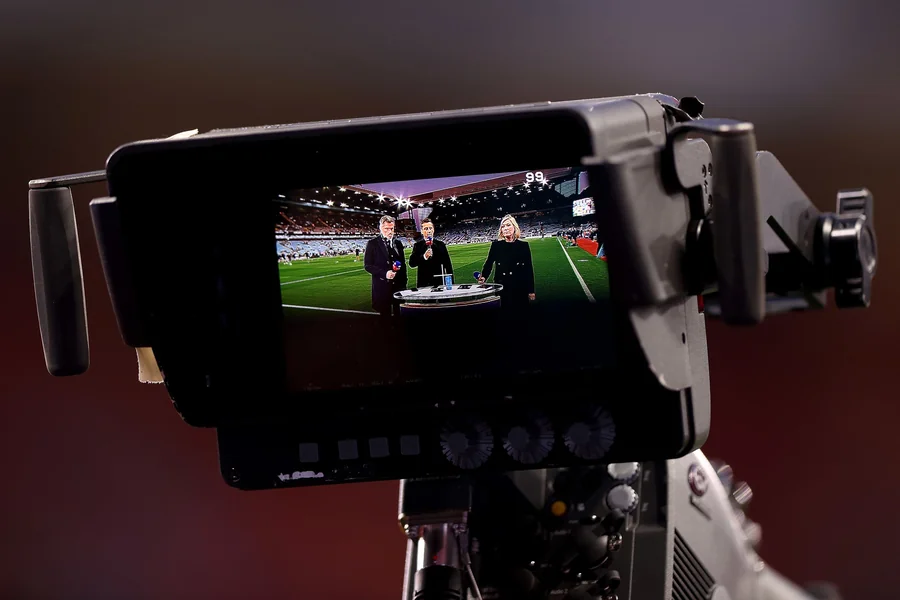
The first reason for the EPL’s dominance is aesthetic. The league realized early on that the pitch is a stage. The production quality of an EPL match is significantly higher than its competitors. From the lighting standards in stadiums (optimized for 4K cameras) to the saturation of the grass, every visual element is engineered for the broadcast.
This attention to detail translates perfectly to the streaming era. High-definition streams require pristine source material. The EPL provides a feed that is rich in color and detail, making it a visual feast on high-end monitors and mobile screens alike. The use of spider cams, super-slow-motion replays, and immersive audio mixing (capturing the specific roar of the Anfield or Old Trafford crowd) creates a “cinematic” experience. It turns a 90-minute match into a blockbuster event.
The Time Zone Strategy: The Empire on Which the Sun Never Sets
The British Empire may be history, but the Premier League Empire is alive and well, largely due to geography. England’s time zone (GMT) is uniquely positioned to capture the global audience. A 12:30 PM kickoff in London is primetime in Asia and breakfast time in the Americas.
This “Goldilocks” scheduling allows the league to blanket the globe. In Asian markets, specifically, the EPL has become a weekend ritual. The demand for reliable access during these peak hours drives the development of robust streaming infrastructure. Fans in tech-forward nations like South Korea do not tolerate lag during a Manchester Derby. This has led to the rise of specialized hubs. Platforms synonymous with JGTV24.COM have emerged as essential utilities for this fanbase. By aggregating and delivering stable, high-bandwidth streams of these specific matches, they bridge the geographic gap, ensuring that the “prime time” experience is preserved regardless of the physical distance from the UK.
The Narrative Engine: Soap Opera with Studs
Broadcasting is about storytelling. The EPL excels at creating narratives that hook viewers even when the football is average. The league is a soap opera of managerial feuds, transfer sagas, and underdog miracles.
Digital streaming amplifies this narrative. Unlike traditional TV, which cuts away after the whistle, streaming platforms offer endless pre-match and post-match content. They dissect every controversy and tweet. This creates an immersive ecosystem where the game never really ends. The “always-on” nature of digital media fuels the obsession, turning casual viewers into hardcore addicts who need to know the latest injury news or tactical leak instantly.
Digital Accessibility and the War on Latency
To maintain its global grip, the EPL has had to conquer the technical challenge of latency. In a world of live betting and instant social media reactions, a 30-second delay is unacceptable.
The league works with global partners to implement cutting-edge compression and delivery technologies. The goal is “glass-to-glass” parity—minimizing the time it takes for light to enter the camera lens in Manchester and exit the screen in Seoul. This technical supremacy is a key differentiator. Fans gravitate toward feeds that are faster and clearer.
This drive for quality leads users to seek out the best possible portals. In the crowded digital landscape, finding a “clean” feed is a skill. The search for 강남티비 often represents a user’s intent to find a premium, uninterrupted viewing experience. It reflects a discerning audience that values the technical integrity of the broadcast—high resolution, no buffering, and real-time synchronization—as much as the match itself.
The Economics of Global Rights
The EPL’s financial dominance is built on its ability to sell rights market-by-market. It generates more revenue from international broadcasting deals than from domestic ones. This influx of cash allows clubs to buy the best players, which improves the product, which attracts more viewers—a virtuous cycle.
Streaming has allowed the league to bypass traditional gatekeepers in some regions and go direct-to-consumer, or to partner with tech giants like Amazon. This flexibility ensures that the EPL is available on every device, from a console to a smartwatch, maximizing its reach.
The Cultural Chameleon
Finally, the EPL is a cultural chameleon. It adapts to the local flavor of its audience. In the US, the coverage is statistical and analytical. In the Middle East, it is passionate and poetic. In Asia, it is star-driven.
Streaming platforms enable this localization. A single video feed can carry twenty different audio tracks, allowing fans to listen to commentary in their native language. This makes a foreign league feel domestic. It lowers the cultural barrier to entry, allowing the EPL to become the “local league” of the world.
The Future is Interactive and Personalized
As we look to the next decade, the EPL is poised to lead the next revolution: interactive streaming. We are moving toward feeds where users can select their camera angles, access real-time biometric data of players, and interact with other fans in virtual stadiums.
The Premier League has proven that sports are the ultimate digital asset. By combining high production values, strategic scheduling, and a relentless focus on technical distribution, it has built a digital empire that truly never sleeps. For the global fan, the EPL is not just a league; it is the heartbeat of their digital weekend.