

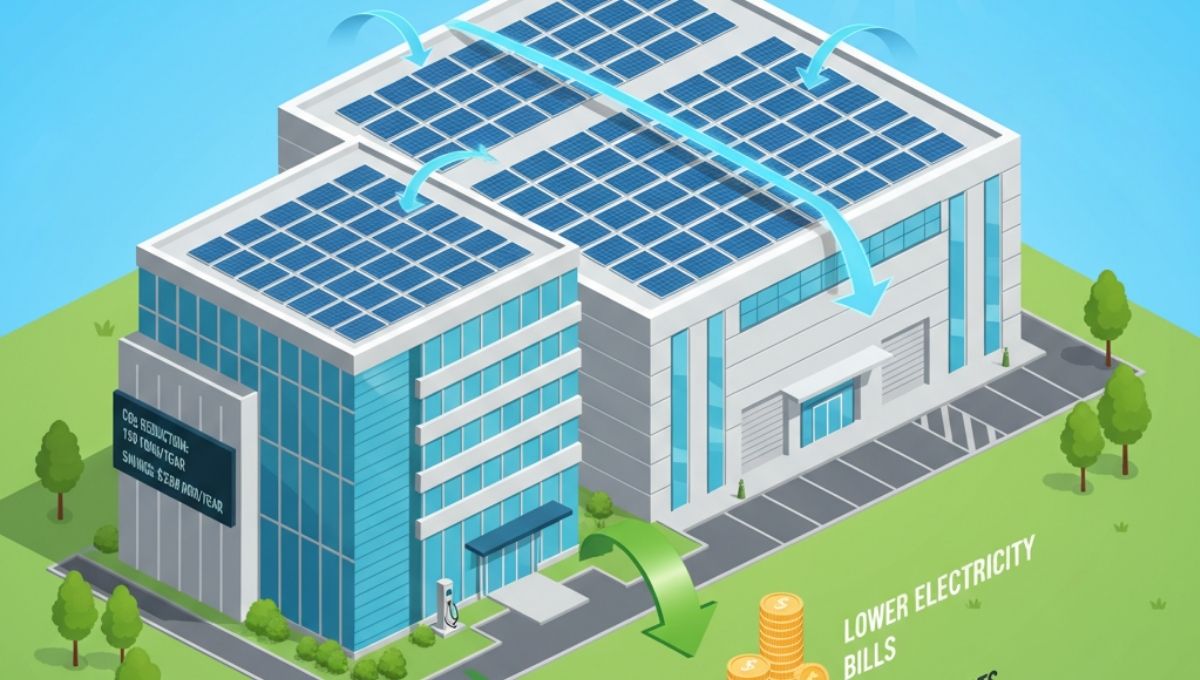
Commercial properties face constant pressure to manage expenses while remaining competitive, and energy bills are often among the most significant ongoing costs. Traditional energy sources are subject to fluctuations in price and demand, which makes budgeting unpredictable for businesses of all sizes.
Solar power has emerged as a practical solution, offering a way to stabilize energy expenses while aligning with modern sustainability goals. By generating electricity on-site, commercial properties reduce their reliance on utility providers and shield themselves from sudden cost increases.
This shift not only saves money but also adds long-term value by improving operational efficiency. More businesses are beginning to realize that solar energy is not just about environmental responsibility, but also about financial stability. The ability to significantly reduce operating expenses makes solar energy an attractive option for offices, warehouses, retail spaces, and industrial facilities alike. As a result, solar power is quickly becoming a defining feature of cost-conscious commercial operations.
A wise investment for businesses
1. Reducing reliance on traditional energy sources
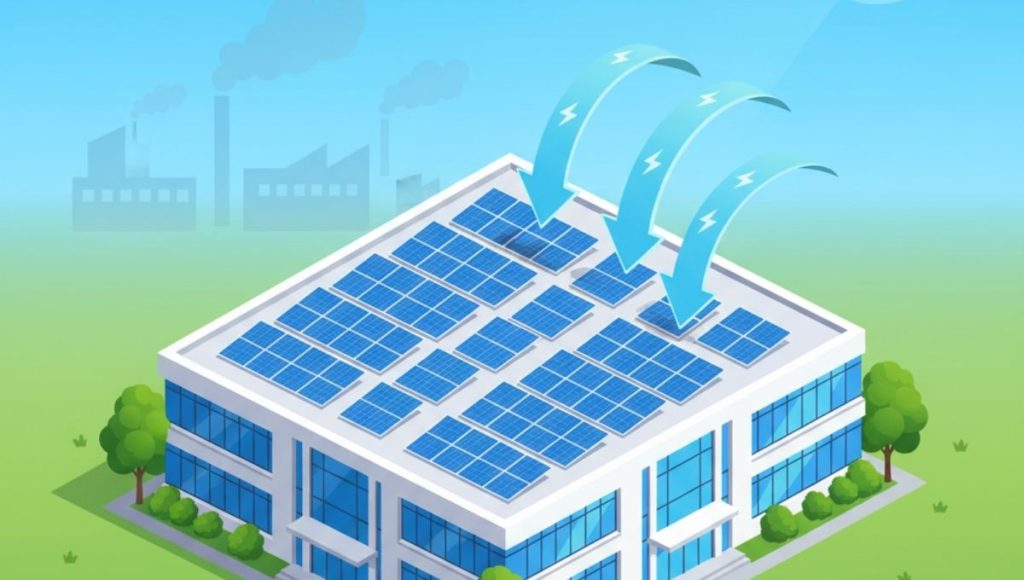
The most direct way solar lowers operating costs is by reducing dependence on traditional energy providers. Utility companies adjust their rates regularly, often passing increased fuel costs and infrastructure expenses onto customers. For commercial properties with high energy demands, these fluctuations create budgeting challenges and strain profit margins.
Installing solar panels enables businesses to generate a significant portion of their own electricity, thereby offsetting grid usage and protecting against unpredictable rate hikes. The savings compound over time, particularly in areas with abundant sunlight, where solar production consistently meets a significant share of energy needs.
This independence from volatile pricing structures makes financial planning more reliable, giving businesses confidence in their long-term operating costs. Companies such as North Valley Solar Power near Danville showcase how commercial solar solutions can be tailored to fit different property types, ensuring that businesses of all sizes reap the financial benefits of self-generated energy without sacrificing reliability or efficiency.
2. Long-term financial stability and return
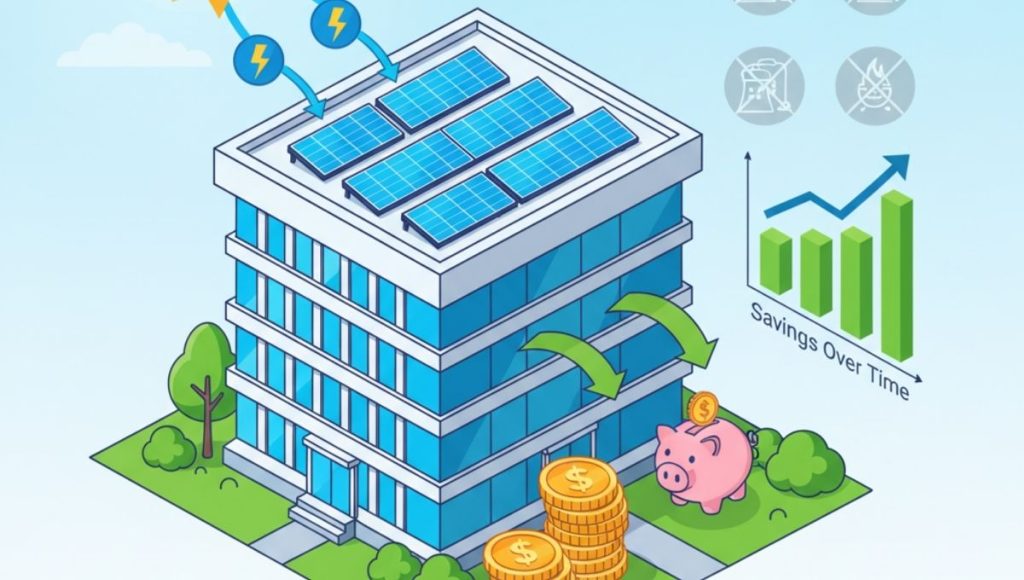
Another critical advantage of solar power for commercial properties is the long-term return it provides. While installation requires an initial investment, the payback period is often shorter than many businesses expect, thanks to energy savings that begin immediately after activation.
Once the system is in place, electricity costs are significantly reduced for decades, with panels often lasting twenty-five years or more with minimal maintenance. Over the lifespan of the system, businesses save hundreds of thousands of dollars that would have otherwise been spent on utility companies.
These savings enable reinvestment in other areas, such as technology upgrades, facility improvements, or workforce development. Moreover, solar systems increase the value of commercial properties by making them more attractive to buyers and tenants seeking lower operational costs. The combination of immediate savings and long-term financial stability strengthens the business’s position in a competitive market, demonstrating that solar energy is a cost-effective investment that pays dividends far into the future.
3. Tax benefits and financial incentives
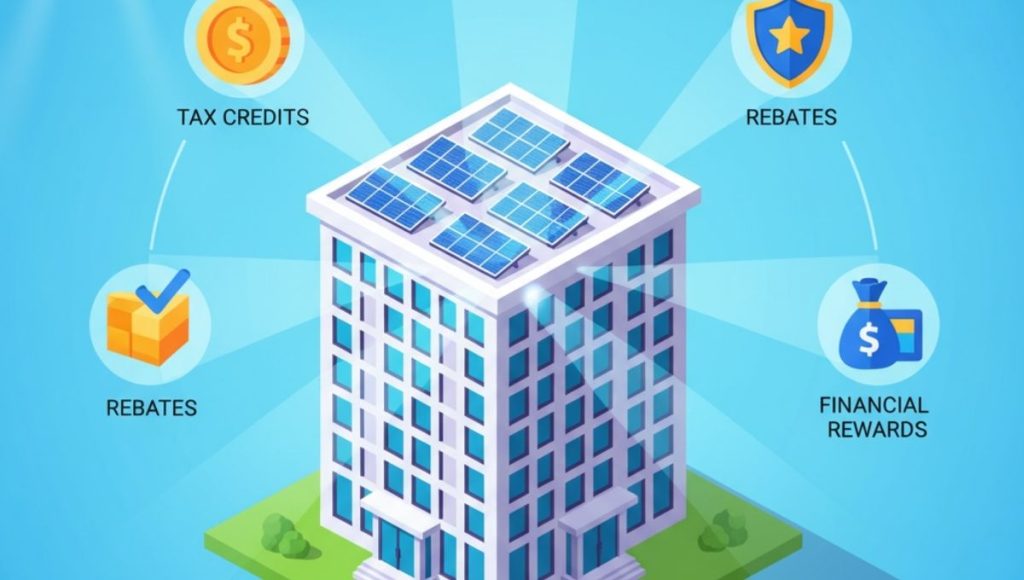
In addition to direct energy savings, commercial properties that adopt solar power often benefit from financial incentives provided by federal, state, and local programs. Tax credits, rebates, and depreciation allowances significantly reduce the upfront cost of installation, making solar systems more affordable.
These incentives are designed to encourage businesses to transition toward renewable energy, and many organizations find that they cover a substantial portion of initial expenses. Once installed, solar systems also qualify for accelerated depreciation, allowing companies to deduct a larger share of the investment over a shorter period.
These financial advantages, combined with reduced utility bills, create a compelling economic case for solar adoption. Businesses that take advantage of these programs often recover their investment more quickly, further enhancing long-term profitability. The layered structure of savings and incentives ensures that solar installations are not just sustainable but also practical for companies seeking to optimize their financial performance.
4. Enhancing reputation while cutting costs
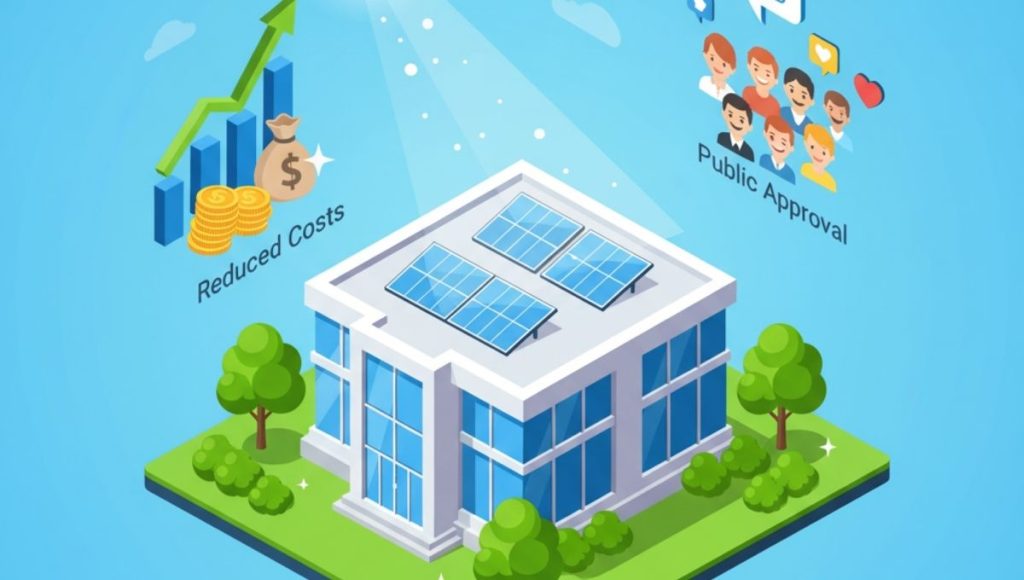
Beyond measurable financial savings, solar power also strengthens a company’s public image. Modern consumers and clients increasingly value businesses that demonstrate environmental responsibility, and solar installations provide a visible sign of that commitment. For commercial properties, this translates into stronger relationships with customers, investors, and partners who prioritize sustainability.
At the same time, the reduced operating costs from solar free up resources that can be redirected toward customer service, innovation, or community engagement, enhancing the company’s overall reputation. By combining cost efficiency with a positive public message, solar adoption becomes both a financial and branding strategy.
Properties that prominently display their solar investment differentiate themselves in competitive markets by offering lower operating costs while appealing to environmentally conscious clients. This combination of economic and reputational benefits underscores that solar power has become an essential choice for forward-thinking businesses determined to thrive in the long run.
Solar power provides commercial properties with a pathway to significantly lower operating costs while enhancing long-term stability. By reducing reliance on traditional energy sources, businesses shield themselves from unpredictable utility rate hikes and gain independence in managing expenses.
The immediate savings, combined with long-term financial returns, tax incentives, and depreciation benefits, make solar an investment that strengthens profitability over decades. At the same time, solar adoption enhances a company’s public image, aligning with sustainability goals that customers and partners highly value.
For commercial properties, solar power is no longer just an option but a strategic necessity, blending cost efficiency with responsible innovation. As technology continues to improve and incentives remain accessible, the financial advantages will only grow stronger.
By embracing solar, businesses position themselves to operate more efficiently, compete more effectively, and contribute positively to their communities. Solar energy is transforming how commercial properties manage expenses and achieve long-term success.
Read More:
Dreaming of a Lion Chasing You Spiritual Meaning
Spider Web Spiritual Meaning
Spiritual Meaning of Being Pregnant in a Dream