

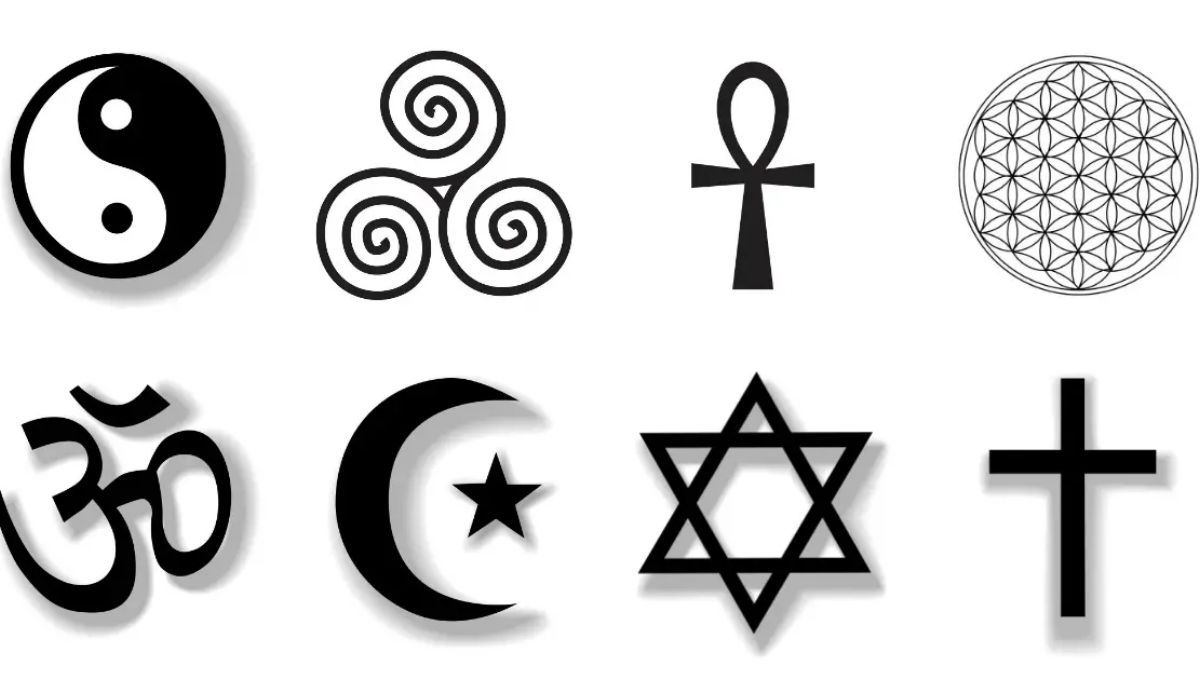
Throughout human history, symbols of strength have held a special place in stories, traditions, and cultural life. These signs are more than decoration; they show toughness, courage, and the will to survive.
From carved stones to mythical creatures, people have used these images to remind themselves of inner strength and the power to overcome challenges. Each symbol carries the spirit of its origin, acting as a common language of strength across time.
Why Strength Symbols Matter
Symbols of strength matter because they bring hope during hard times and guidance when life feels uncertain. They give a clear picture of endurance, giving people courage when words are not enough.
Whether carved on old shields or worn as modern tattoos, these symbols inspire belief in one’s own abilities. They serve not only as cultural reminders but also as timeless sources of motivation that carry across generations.
Common Things That Show Strength
Strength is often shown by objects, animals, and parts of nature that reflect stability, toughness, or power. Mountains, with their unshakable peaks, show solid power. Rivers, though always moving, show nonstop persistence as they carve valleys over centuries.
Animals like lions and bears show raw physical power, while symbols like the fist and shield stand for unity and protection. These everyday signs create an instant link with people, reminding them of both inner and outer strength.
Cultural Symbols That Represent Strength
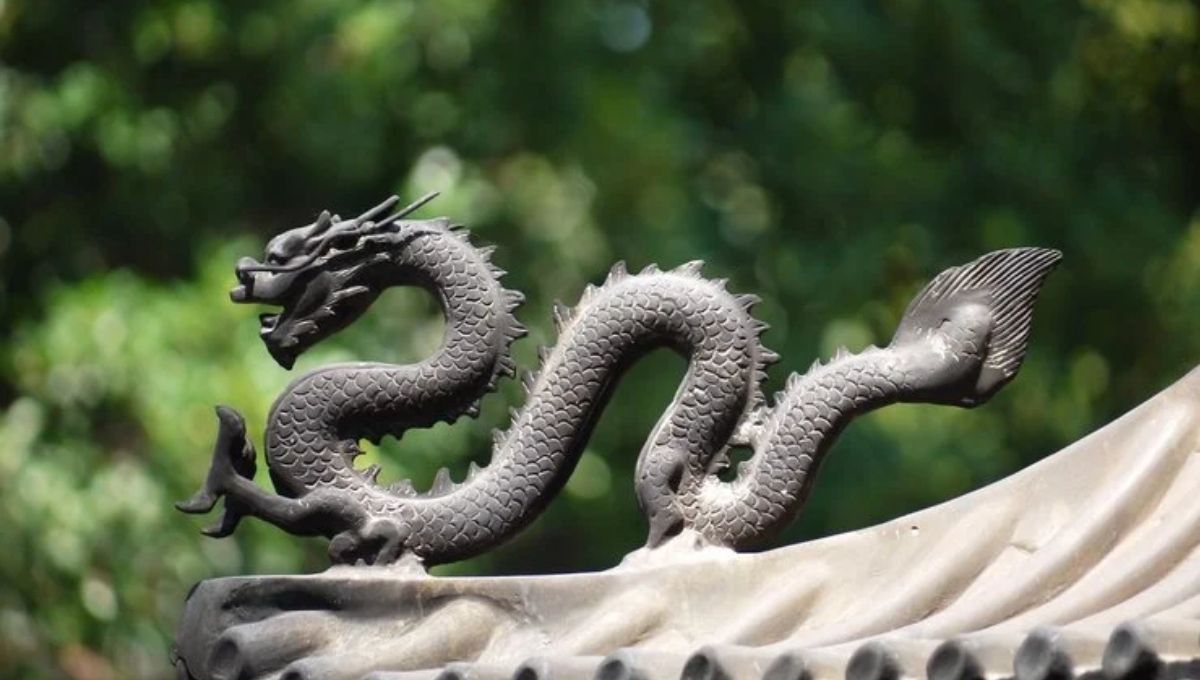
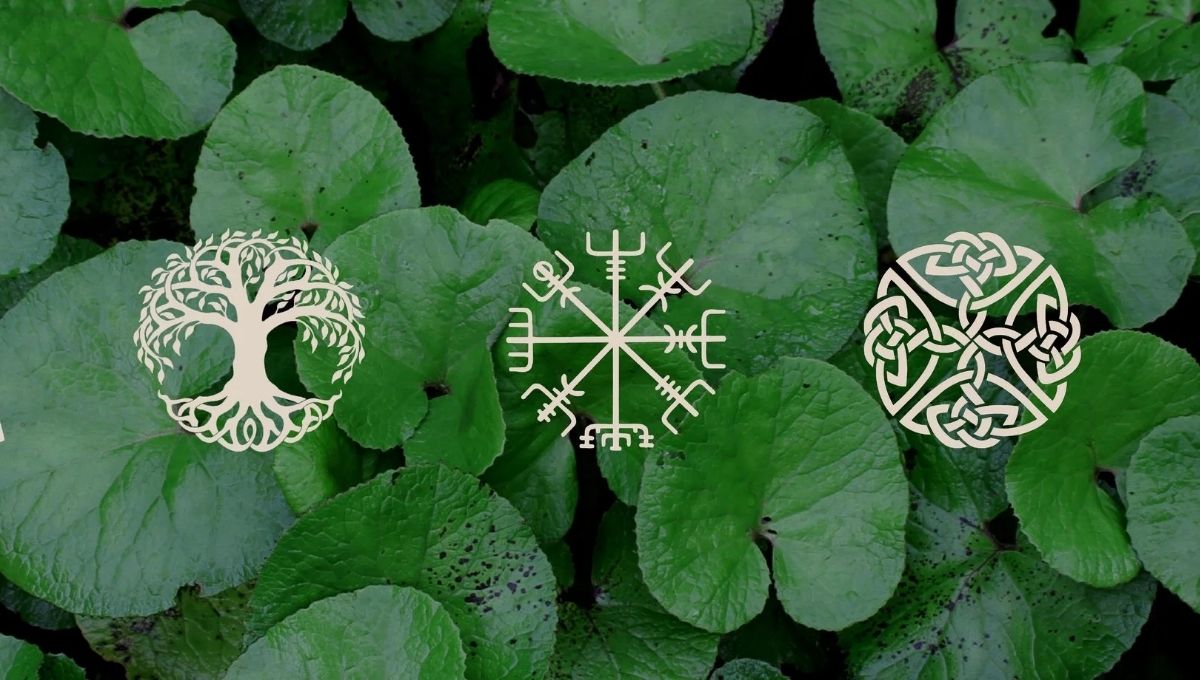
Every culture has shared its own images of power. In Norse traditions, the Helm of Awe meant safety in battle. In Greek stories, Hercules stood for bravery and unstoppable energy. Eastern cultures often look to the dragon, a creature showing strength mixed with wisdom.
Native traditions use natural symbols such as the bear or oak tree, showing toughness and deep roots. These cultural meanings reveal that strength is not one single idea but a shared need expressed in different ways.
Lion
The lion, often called the “king of beasts,” stands for bravery, leadership, and rule. Across cultures, lions have been shown on flags, family emblems, and holy writings. Their roar shows power, while their proud stance shows confidence and fearlessness. The lion teaches that real strength is not only physical but also built on courage and guidance.
Oak Tree
The oak tree shows endurance, growth, and balance. With roots deep in the ground and branches high in the sky, the oak shows both strength and resilience. Ancient Druids called it sacred, believing it had divine power. Its long life and steady presence make it a lasting sign of durability.
Bear
The bear shows raw power and protection. Many native tribes saw the bear as a guiding spirit, full of bravery and healing. Its ability to rest in winter and return strong mirrors cycles of rest and renewal. Fierce in danger yet caring to its young, the bear shows both power and care.
Anchor
The anchor is a sea symbol of safety, grounding, and hope. Sailors used it to stay safe from storms, and over time it became a wider sign of security in life. It stands for steadiness, reminding us that real strength is often the ability to stay firm in chaos.
Rock
Rocks and stones show permanence and toughness. They face harsh weather, unbroken by wind or water. In holy texts, rocks are often called the foundations of faith and trust. Their simple but lasting nature reminds us that strength can be found in steady presence.
Shield
The shield is a classic symbol of defense and safety. Used by fighters throughout history, it shows the strength to protect against harm while staying firm. Shields often had detailed designs, joining art with purpose. They remind us that real strength sometimes lies not in attack, but in standing firm against hardship.
Phoenix
The phoenix is a legendary bird showing new life and immortality. Rising from its ashes, it shows toughness and the ability to come back stronger after loss. Cultures worldwide see the phoenix as a clear reminder that strength is not in never falling, but in rising again each time.
Dragon
The dragon is a strong mythical creature often standing for power, wisdom, and unmatched force. In Eastern traditions, it means prosperity and protection, while in Western stories it shows might and challenge. Dragons connect the worlds of imagination and reality, showing that strength can be both protective and fearsome.
Bull
The bull shows determination, energy, and physical force. Ancient societies used the bull in rituals to represent life and toughness. Its strong will and unshakable push make it a symbol of persistence. The bull reflects the drive needed to move forward, even when facing resistance.
Hercules
Hercules, a hero from Greek stories, stands for bravery and great strength. Known for completing impossible tasks, he shows endurance through extreme challenges. Hercules represents the victory of courage, determination, and human persistence against overwhelming odds.
Fist
The fist is a worldwide sign of unity, resistance, and strength. Raised fists have been used in movements to show collective power and toughness against unfairness. Beyond physical force, the fist shows togetherness and the will to stay strong.
Tattoo
Tattoos of strength symbols are a modern way of self-expression. From lions to anchors, people mark their skin with images that show personal struggles, wins, and inner strength. Tattoos make strength visible, turning private meaning into permanent art.
The Helm of Awe
The Helm of Awe, or Ægishjálmur, is a Norse sign believed to give safety and courage. Warriors drew it on their foreheads before battle, trusting it to scare enemies and give them unmatched bravery. This old rune shows the mix of belief, mystery, and the search for strength.
Fortress
The fortress shows safety, defense, and toughness. Built to survive attacks and protect communities, it stands for unshakable strength against threats. Its tall walls and lasting structures show stability and the ability to protect what is most valuable.
How Strength Symbols Changed in Modern America
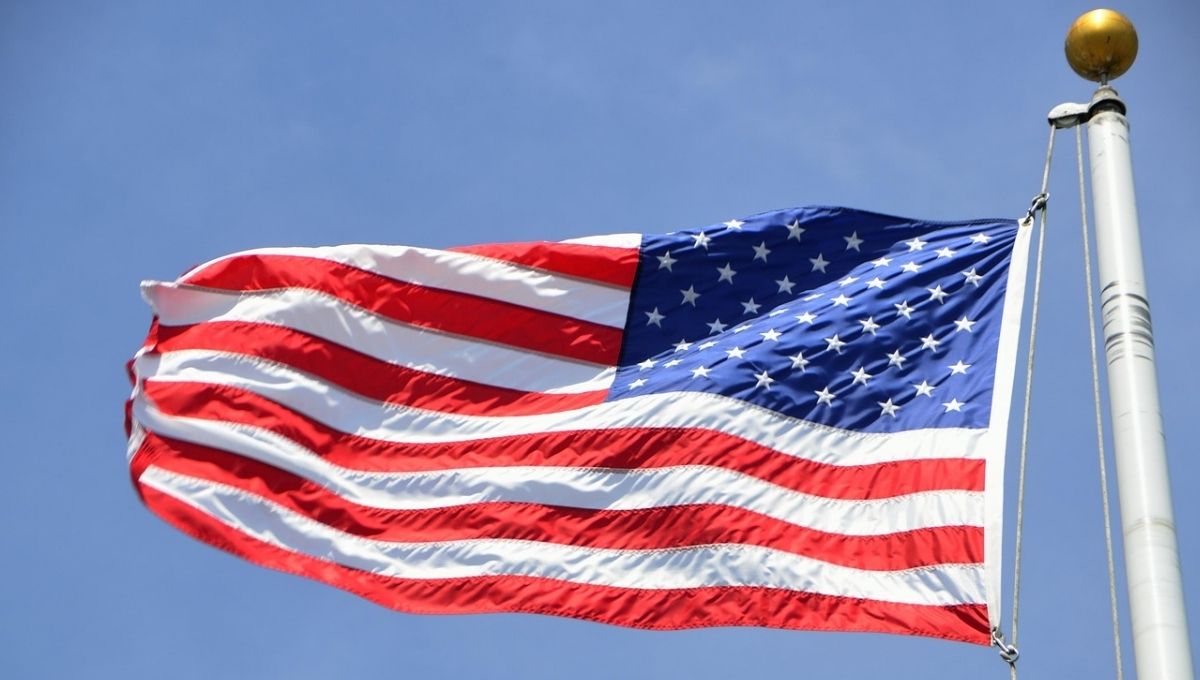
In modern America, strength symbols have moved from old emblems to new expressions. While traditional icons like the eagle or flag still show resilience, personal meanings have grown through tattoos, logos, and media. Strength is often shown through sports images, national pride, or personal branding.
Yet, the meaning stays the same—symbols give inspiration, unity, and the will to keep going. In a world of constant change, these signs remind people of their roots while adapting to new forms of identity.
FAQs
1. What are the most common symbols of strength?
Lions, oak trees, bears, anchors, rocks, shields, phoenixes, and dragons are among the most known strength symbols.
2. Why do people use strength symbols?
People use them to show toughness, courage, and hope, serving as reminders to stay strong in hard times.
3. Which cultures have unique strength symbols?
Norse culture has the Helm of Awe, Greeks honor Hercules, Eastern cultures celebrate dragons, and Druids respected the oak tree.
4. Can tattoos represent strength?
Yes, tattoos of lions, anchors, or fists are popular ways to show personal strength and resilience.
5. How have strength symbols changed in modern America?
Old symbols remain, but modern strength is also shown through tattoos, sports images, and national emblems.
Conclusion
Strength symbols, from lions and oak trees to phoenixes and fortresses, inspire courage, toughness, and unity. They remind us that real power lies in persistence, protection, and renewal. Whether from history or modern life, these timeless signs guide us to stay strong and face life’s challenges with confidence.
Read More: