


Across civilizations and ages, humanity has shown strength, recovery, and perseverance through symbols. These signs appear in art, stories, buildings, and daily life.
They serve not only as reminders of survival but also as cultural anchors, joining societies to shared values of endurance and growth. From ancient carvings to modern movements, resilience symbols reveal how deep our need for hope and renewal is.
Why Resilience Symbols Are Important

Symbols turn complex experiences into simple forms. A single image can express survival, determination, and victory without words. They comfort those in pain, inspire communities during crises, and give personal reminders of inner strength. In art, they go beyond language, offering worldwide pictures of healing and perseverance.
Phoenix
The phoenix, born from flames and ashes, represents rebirth after destruction. Cultures from Egypt to China honor it as a sign of renewal. The bird’s fiery death and return show the repeating nature of struggle—pain followed by change. It teaches that even complete collapse can be a new beginning.
Oak Tree
The oak tree is a strong sign of durability. With roots sinking deep and branches reaching high, it shows stability in chaos. In European tales, the oak was holy to the gods of thunder and strength. Its ability to survive storms makes it a picture of grounded resilience and firm strength.
Lotus Flower
The lotus rises clean from dirty waters. Its petals open toward the sun, showing purity and wisdom gained through hardship. In Buddhism and Hinduism, the lotus reflects the human spirit’s power to rise above suffering and find peace. It shows that beauty often grows from struggle.
Rock
Rocks show permanence and firmness. Shaped by time yet lasting for thousands of years, they remind us of patience and steadiness. In many cultures, rocks are protective charms—unchanging when life feels unstable. Their stillness conveys resilience in its most basic form.
Anchor
The anchor holds ships steady against rough seas. In art and meaning, it stands for stability, safety, and the will to survive storms. Early Christians used it as a secret sign of hope during persecution. Even today, the anchor reassures us that one can remain steady despite chaos.
Kintsugi
Kintsugi, the Japanese art of repairing broken pottery with gold, teaches that scars do not reduce value. Instead, cracks become lines of beauty. This practice shows resilience as acceptance of flaws, proving that brokenness can turn into strength and uniqueness.
Sisu
A Finnish idea without direct translation, Sisu means amazing determination in the face of struggle. It goes beyond bravery—embracing grit, endurance, and firm will. Sisu shows resilience as a way of life, a refusal to give up even when success looks impossible.
Bamboo
Bamboo bends under pressure but does not break. Its flexibility makes it a timeless symbol of resilience across Asia. It adjusts to storms, standing tall again with ease. In this way, bamboo teaches that survival often lies not in hard strength but in gentle adaptability.
Lighthouse

A lighthouse, shining through darkness with its beam, symbolizes guidance and survival in rough waters. Sailors have long seen it as a promise of safety. As a symbol, it represents resilience through clarity—shining light when all else is dark.
Celtic Knot
The Celtic knot, with its endless twisted loops, represents eternal continuity. It has no beginning and no end, showing life’s unbreakable cycles. In the sense of resilience, it teaches that strength is timeless, flowing through generations without stopping.
Turtle
The turtle, patient and steady, carries its home on its back. In many cultures, it stands for endurance, wisdom, and long life. Its slow yet steady progress shows that resilience is not always quick but constant and firm.
Elephant
Elephants stand for strength, memory, and community. They travel across tough lands with perseverance, while their family bonds symbolize collective resilience. In Hinduism, Ganesha—the elephant-headed god—removes obstacles, proving resilience as the power to overcome barriers.
Mountain
Mountains rise as giant symbols of permanence. They face centuries of erosion yet remain unmovable. Spiritual traditions see mountains as places of testing and growth, symbolizing the human journey of climbing through struggle to reach higher levels of being.
Adinkra Symbol – Dwennimmen
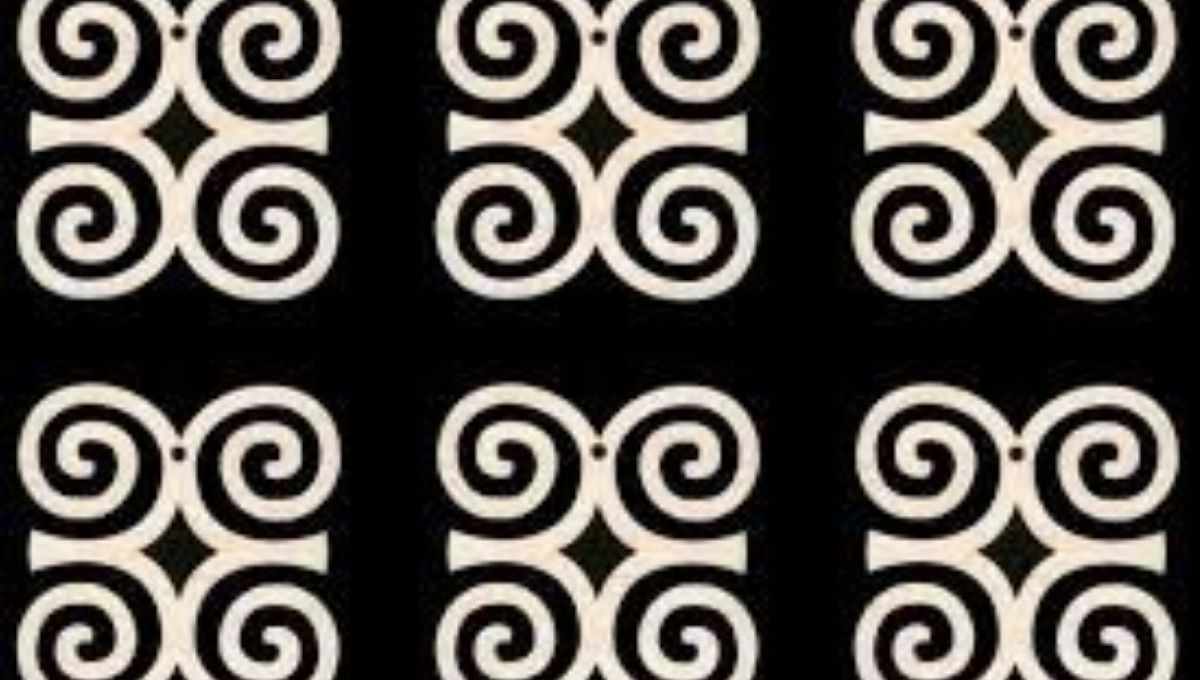
The Dwennimmen, an Akan symbol shaped like a ram’s horns, teaches humility and strength together. It reminds us that real resilience balances power with gentleness, courage with kindness. Endurance, it shows, is both firm and humble.
Yin and Yang
The Yin-Yang sign represents balance between opposites. In resilience, it reflects the balance of dark and light, weakness and strength. Survival is not the end of struggle but a balance within it. This symbol teaches that strength often comes from harmony, not conflict.
Scarab Beetle
In ancient Egypt, the scarab beetle was a charm of rebirth and safety. Rolling its ball of earth mirrored the sun’s path across the sky. It became a strong symbol of resilience, showing change, renewal, and the cycle of life.
Dandelion
Though delicate, the dandelion grows in cracks and poor soil. Its seeds spread widely, ensuring survival despite difficulty. As a symbol, it shows resilience through persistence, growing even in hard environments.
Fist Raised in Solidarity
The raised fist has become a lasting icon of resistance and unity. Seen in justice movements worldwide, it symbolizes shared strength against unfairness. Resilience here is not alone but together—standing as one despite hardship.
Helix
The helix, often seen in DNA, represents growth, change, and constant progress. Its spiral shape shows that resilience is not straight but a journey of adaptation. Life’s twists may bend us, yet forward movement continues.
Chess Pawn
A pawn in chess may seem small, yet through persistence, it can become a queen. It symbolizes humble beginnings leading to success through patience and strategy. Resilience shines in its quiet determination to reach the other side.
Aloe Vera Plant
Aloe vera thrives in dry lands, storing water within its leaves. Its healing nature makes it a symbol of resilience. It grows where little else survives, teaching that real strength often appears in scarcity.
The Lasting Strength of Resilience Symbols

Resilience symbols endure because they convey common truths. They remind us that survival takes many forms—rebirth, steadiness, flexibility, or unity. Across time and culture, these signs give hope and direction, showing that humanity can always rise again.
FAQs
1. What are resilience symbols?
Resilience symbols are cultural or artistic signs—like the phoenix, lotus, or oak tree—that represent strength, recovery, and hope during tough times.
2. Why are resilience symbols important?
They simplify deep emotions like survival and courage into powerful images, offering comfort, inspiration, and a reminder of inner strength.
3. Which symbol best represents rebirth and new beginnings?
The phoenix is the most common symbol of rebirth, showing how life can rise again after destruction or hardship.
4. What is an example of resilience in nature?
The bamboo is a strong example—it bends with the wind but never breaks, teaching flexibility and adaptability in challenges.
5. How are resilience symbols used in daily life?
They appear in art, tattoos, jewelry, architecture, and traditions as reminders of endurance, hope, and the power to keep going.
Conclusion
Resilience symbols like the phoenix, lotus, and bamboo remind us of strength, hope, and renewal across cultures. They inspire healing, adaptability, and courage in daily life. Whether in art, nature, or traditions, these timeless signs show that even through struggle, humanity can endure, rebuild, and rise stronger.
Read More: