

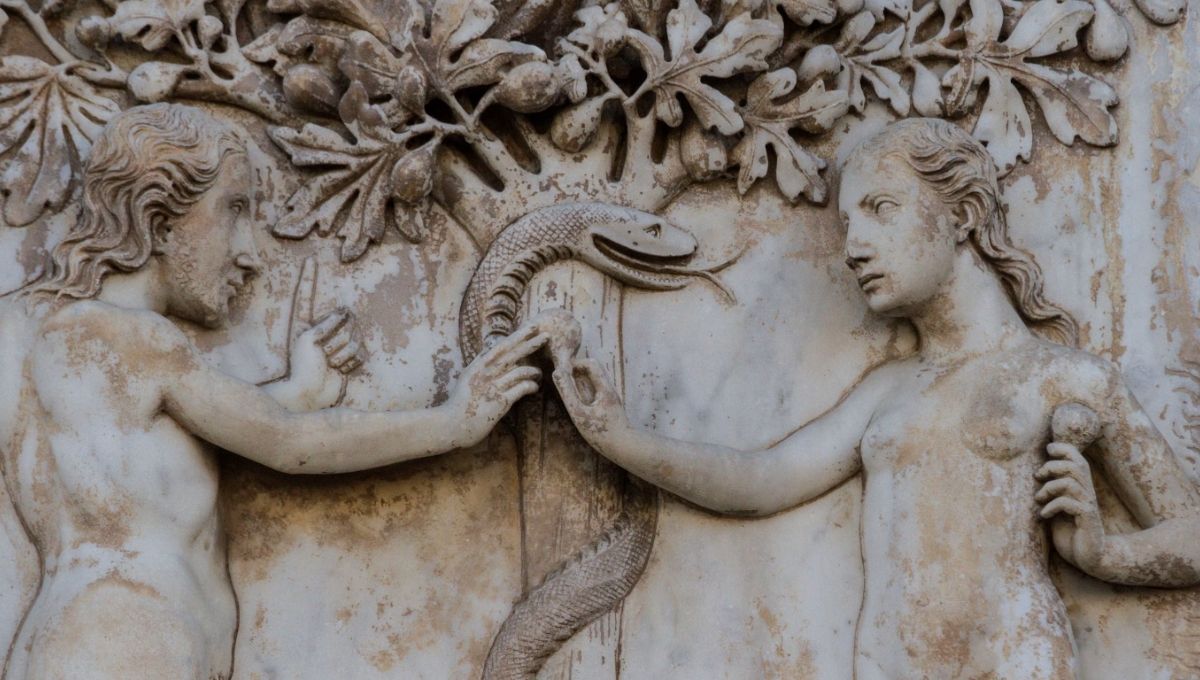
For thousands of years, snakes have appeared in stories, holy books, and folk tales. They are creatures of contrast—honored as sacred messengers in one culture and hated as bringers of doom in another. In ancient Egypt, the cobra crowned the pharaoh’s head as a protector of divine power. Among the Greeks, serpents appeared in tales of change and eternal life. Native tribes across the world often saw snakes as bridges between earth and spirit, living signs of cycles, fertility, and hidden knowledge.
Understanding the Snake Spirit Animal
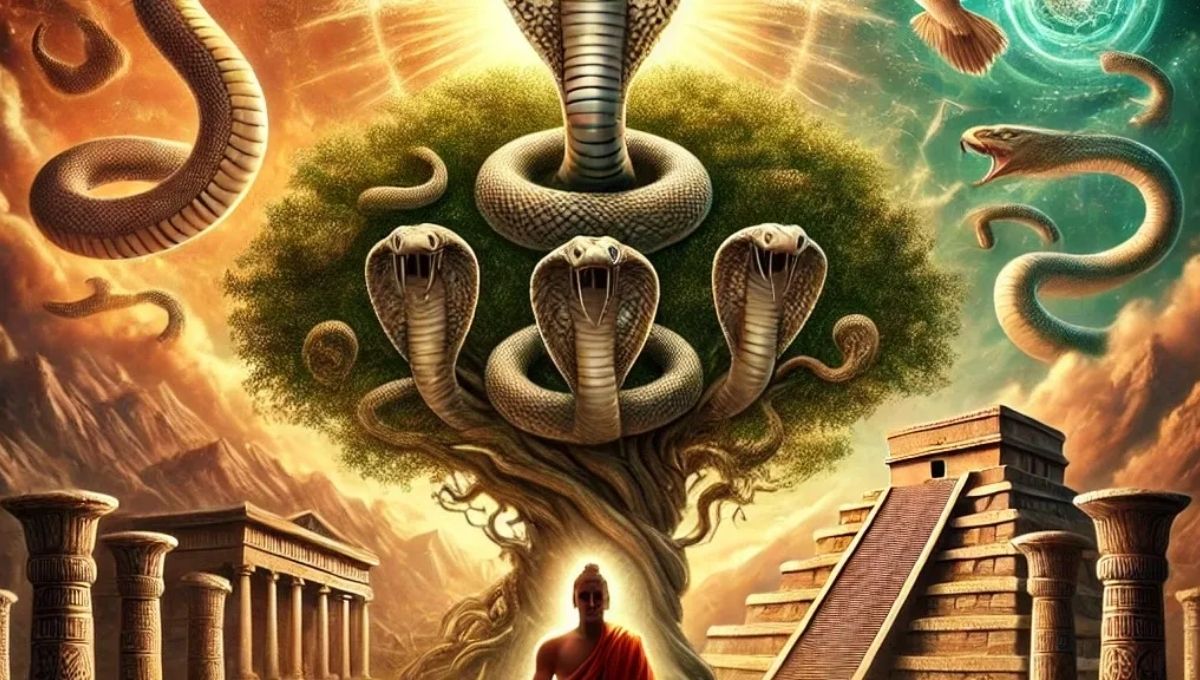
The snake spirit animal shows renewal, flexibility, and spiritual awakening. By shedding its skin, the serpent mirrors the human ability for growth and rebirth. To those on a spiritual path, the snake spirit whispers of change—urging seekers to release old burdens and step into a more true existence. Meeting this spirit animal can show deep change, often uncomfortable yet finally freeing.
Spiritual and Symbolic Meanings of Snakes
Snakes carry many meanings: change, danger, healing, and rising above. Their silent movement across land and water makes them beings that live between worlds. Some see them as protectors of sacred wisdom, while others see them as symbols of temptation. The meaning stretches from divine healing to reminders of death.
Why Snakes Are Seen as Dangerous
The serpent’s reputation as dangerous comes from its quiet moves, venom, and ability to strike suddenly. Ancient people, watching their deadly bite, naturally linked snakes with death. Their ability to move without sound in grass or sand increased the feeling of threat. Fear, however, often mixes with fascination—what can kill also earns respect.
Snake Venom: Power, Fear, and Mystery
Venom, both feared and respected, lifts the snake to a near-mythical level. A single drop can end life, yet the same substance holds cures for diseases. This mix of death and healing has inspired many stories. To many, venom is more than science; it is a symbol of strong forces that must be handled with care.
Different Types of Snake Venom and Their Effects
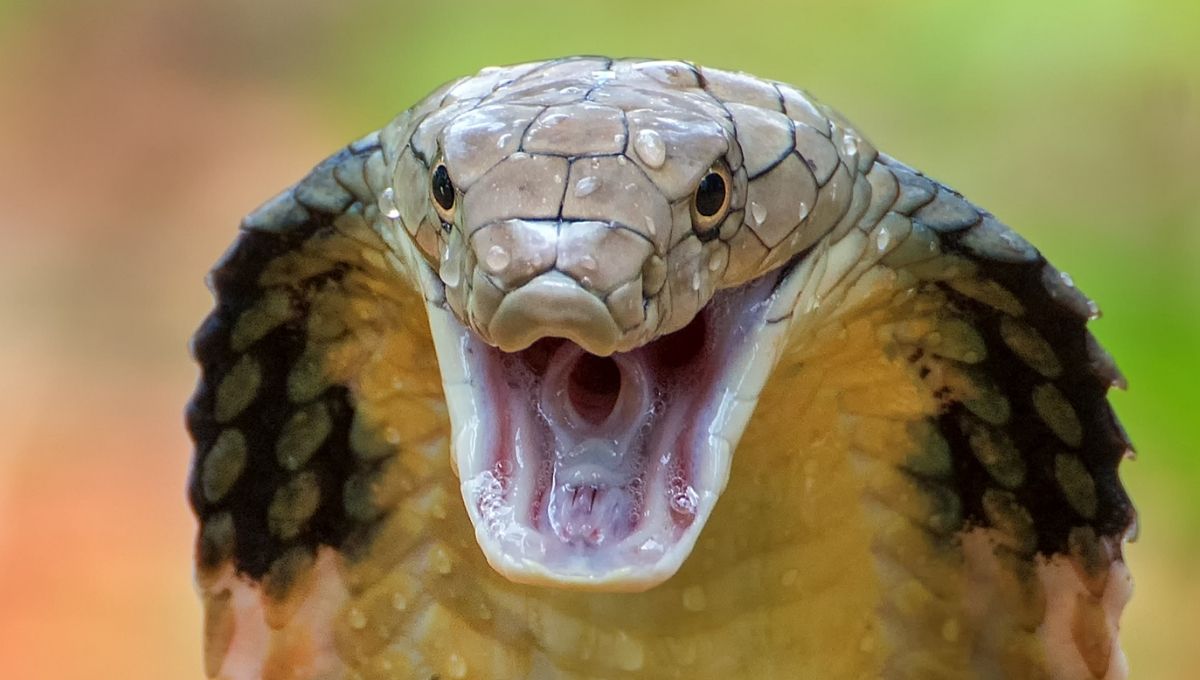
Venom comes in many forms: nerve-attacking, blood-attacking, cell-destroying, and heart-attacking. Nerve venom paralyzes the nervous system, stopping breathing and movement. Blood venom destroys blood cells, causing bleeding and organ failure. Cell toxins damage tissues, leaving destruction behind, while heart toxins disturb the rhythm of the heart. Each venom type shows nature’s skill, both frightening and clever.
Snakes in Medicine and Healing Traditions
Across cultures, snakes have been part of healing stories. The staff of Asclepius, wrapped with a serpent, is still the symbol of medicine. In Ayurveda and Chinese medicine, serpents show renewal and energy. Venom, once only feared, is now used to create life-saving antivenoms and medicines for problems like high blood pressure and chronic pain. The serpent is both destroyer and healer.
The Dual Nature of Snakes: Life and Death Symbolism
Few creatures show duality as strongly as snakes. Their deadly strike means death, yet their skin shedding means rebirth. In myths, they move between life and death, carrying lessons about endings and new beginnings. This balance reflects humanity’s view of death—fear mixed with hope for renewal.
Snakes as Symbols of Wisdom and Knowledge
Snakes are long seen as keepers of old wisdom, showing intuition and hidden truth. In some beliefs, their still gaze means deep sight, seeing beyond lies. In others, they whisper secret knowledge, guiding seekers to enlightenment. Their place in myths suggests wisdom often comes with risk—dangerous yet life-changing knowledge.
Snakes as Spiritual Protectors
Protection is another meaning of snakes. In temples, serpents wrap around sacred spaces, keeping them safe. In dreams, a snake as a protector can mean unseen guidance. Many cultures believed snakes guarded crops, treasures, or holy places, their watchfulness a silent but powerful protection.
Snakes and Fertility Symbolism
The serpent’s form—long, flexible, and renewing—made it a natural sign of fertility. Its link to the earth and shedding cycles shows the rhythm of human birth and growth. Ancient fertility rituals often used serpents as signs of life’s creative power, representing creation and abundance.
Why Snakes Are Linked to Sin and Evil
In many traditions, snakes are seen as tricksters. The biblical serpent in Eden shows temptation and fall. In medieval Europe, serpents symbolized the devil, standing for betrayal and corruption. These beliefs, though not everywhere, show humanity’s habit of projecting fear of the unknown onto snake shapes.
Snakes in Creation Myths and Legends
From the world serpent of Mesoamerican stories to the naga of Hindu belief, snakes often appear at the start of creation. They guard holy waters, wrap around the world, or act as the first beings from which life began. Creation myths show serpents as builders of balance, turning chaos into order.
Snakes as Symbols of Eternity and Rebirth
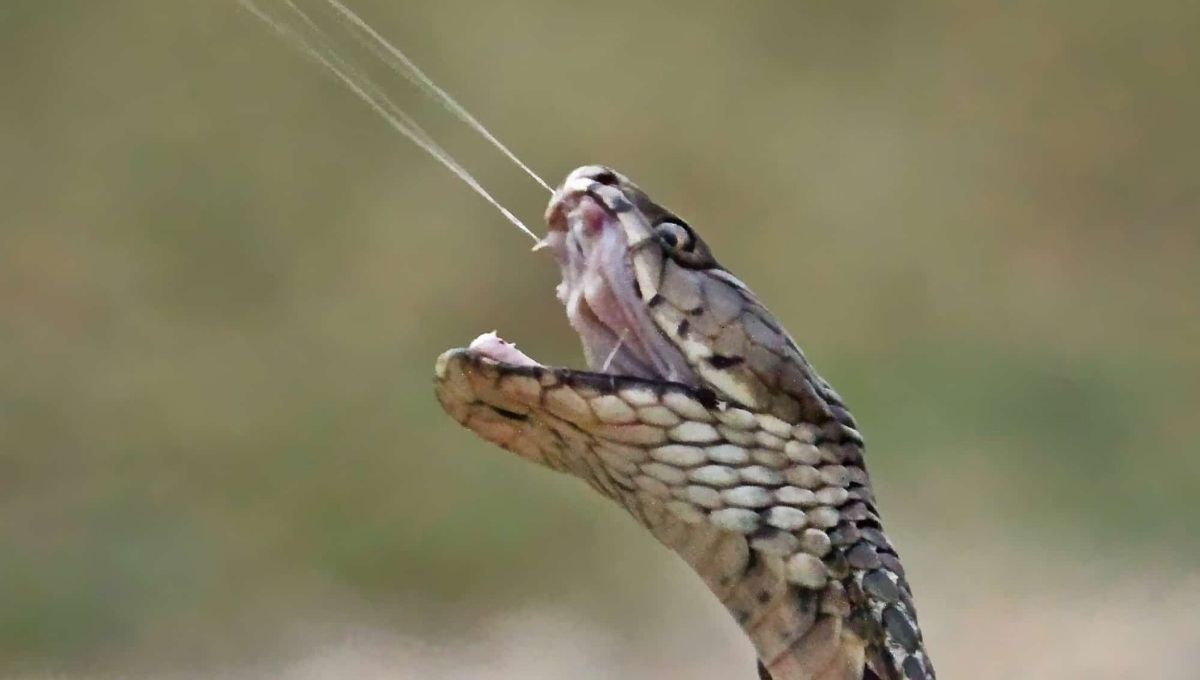
The ouroboros—the snake eating its own tail—remains a timeless sign of eternity. It shows cycles of ending and renewal, the endless rhythm of life. Shedding skin is nature’s symbol for spiritual rebirth, a reminder that endings are never final but part of endless becoming.
The Role of Snakes in Buddhism
In Buddhism, the naga is both protector and teacher. Stories tell of a great serpent shielding the Buddha from storms while he meditated. Here, snakes show protection, strength, and the link between earth and spirit. Instead of evil, they represent guardians of wisdom and enlightenment.
Snake Dream Meanings and Interpretations
Dreams of snakes often have deep meanings. A biting serpent may show betrayal or hidden fear, while a shedding snake can mean personal growth and change. Meeting a coiled snake may warn of hidden energy or unspoken truths. Meanings differ with context, but snakes usually appear as messages from the subconscious.
Snake Habitat, Behavior, and Ecological Role
Snakes live in deserts, forests, swamps, and seas, adapting to an amazing range of places. Their behaviors—hunting, ambush, squeezing, and hiding—show nature’s clever design. Ecologically, they control prey numbers, keeping balance in nature. Without snakes, pests would multiply, damaging whole ecosystems.
Habitat
Snakes live almost everywhere, from thick rainforests to dry deserts. Their ability to adapt is unmatched, letting them survive in climates most creatures cannot.
Sea Krait: The Unique Ocean Snake
The sea krait lives in both the ocean and on land. Skilled swimmers, they hunt underwater but return to land to rest and reproduce. Their mild venom and calm nature make them different from many venomous snakes.
Behaviours
From the squeezing of pythons to the fast strike of vipers, snake behaviors differ greatly. Many use camouflage, blending into their surroundings, while others show threat displays to scare predators.
Ecological Importance
As top and middle hunters, snakes keep balance in nature. They control rodents, protect crops, and stop the spread of disease. Without them, ecosystems would collapse.
Snakes in Science and Modern Research
Modern science continues to study snakes. Their venom inspires new medicines, while their unique muscles guide robotics. Genetic studies of snakes uncover secrets of evolution, giving insight into survival and adaptation through the ages.
Snake-Inspired Robots in Search and Rescue
Engineers use snakes as models for design. Snake-like robots, able to slide through rubble, are used in disaster zones to find survivors. Their flexible design copies nature’s work, proving serpents still guide humans in surprising ways.
Meditation to Connect With Snake Spirit Energy
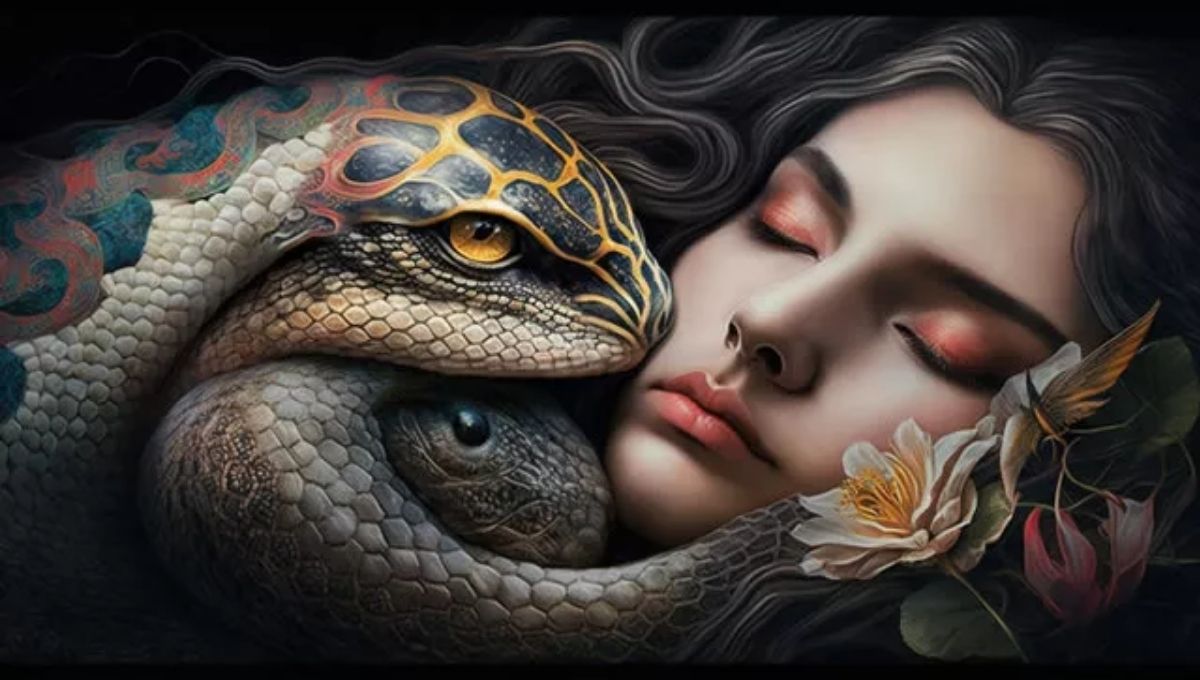
Meditating on the snake spirit involves imagining its coiled energy rising through the body like fire. With deep breaths, one imagines shedding old layers and embracing renewal. This practice builds strength, intuition, and alignment with cycles of change. In meditation, the serpent becomes not a creature of fear but a guide into inner power.
FAQs
1. What does a snake symbolize in different cultures?
Snakes symbolize wisdom, fertility, danger, healing, and transformation, with meanings varying from sacred guardians to omens of evil.
2. Why are snakes seen as both dangerous and sacred?
Their venom and stealth inspire fear, yet their role in medicine, myths, and spiritual traditions makes them symbols of healing and protection.
3. What does it mean to dream about snakes?
Snake dreams often reflect hidden fears, transformation, growth, or suppressed energy, depending on the dream’s context.
4. How do snakes benefit the environment?
Snakes control pests, balance ecosystems, and prevent the spread of disease, making them vital to ecological stability.
5. How are snakes used in modern science and healing?
Snake venom is used in life-saving medicines, while their movement inspires robotic designs for rescue operations.
Conclusion:
Snakes embody mystery, wisdom, and transformation, weaving through cultures as symbols of fear and healing alike. From spiritual guides to ecological guardians, their role remains vital. By understanding snake symbolism, we uncover lessons of rebirth, protection, and balance—reminding us that nature’s most feared creatures often hold the deepest wisdom.
Read More: